
 By
By 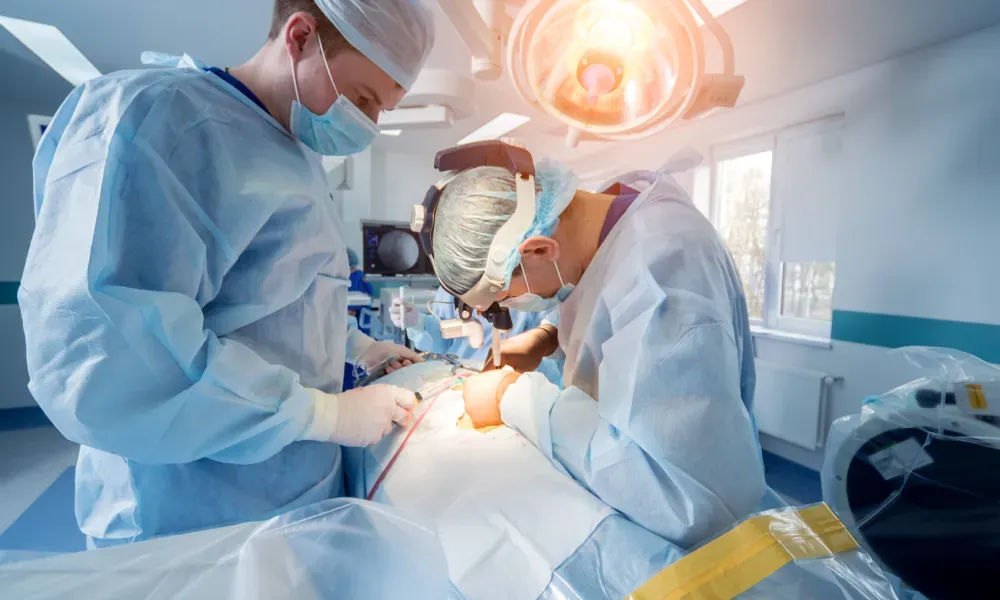
The backbone, also called the spine, plays a major role in daily life. It supports the body. It protects the spinal cord. It helps with movement and balance. When the spine is healthy, most people do not think about it. But when problems start, even small tasks can become difficult.
Backbone issues can develop slowly. Sometimes they appear after an injury. In many cases, people try rest, medicine, and therapy first. These methods work for many conditions. But there are times when surgery becomes the best option. Knowing when surgery is needed helps people make informed decisions about their health.
Spine surgery is not always the first step. Doctors usually suggest it only when other treatments do not give relief. Severe pain, weakness, or nerve problems often lead to this stage. The goal of surgery is simple. It is to reduce pain and restore function. During spine procedures, doctors rely on precise surgical instruments to treat damaged areas while protecting nearby nerves and tissues.
Common Reasons for Spine Surgery
Several conditions can make backbone surgery necessary. One of the most common is a herniated disc. This happens when the soft part inside a disc moves out of place. It can press on nerves and cause pain, numbness, or weakness.
Another reason is spinal stenosis. This is when the space around the spinal cord becomes narrow. It puts pressure on nerves. People may feel pain in the back or legs. Walking may become difficult.
Fractures of the spine are also serious. These often happen after falls or accidents. In some cases, the bones heal with rest. But severe fractures may need surgical care to stabilize the spine.
Some people develop spine problems due to aging. Wear and tear over time can damage discs and joints. Conditions like arthritis can change how the spine works. When pain becomes constant and limits movement, surgery may be considered.
Signs That Surgery May Be Needed
Not every back problem needs surgery. But certain signs show that it might be time to think about it.
Severe pain that does not improve is one sign. If pain continues for months despite treatment, it may mean something more serious.
Another sign is weakness in the arms or legs. This can happen when nerves are under pressure. Tingling and loss of balance are also warning signals.
In rare cases, problems with bladder or bowel control can occur. This is a medical emergency. Immediate care is needed.
Doctors use scans and tests to understand the problem. They look at how much damage is present. Based on this, they decide if surgery is the best choice.
What Happens During Backbone Surgery
Backbone surgery aims to fix the cause of pain. The method depends on the condition. Some surgeries remove pressure from nerves. Others repair damaged discs or stabilize bones.
During the procedure, doctors use carefully designed surgical instruments to reach and treat the affected area with precision. These tools help surgeons work safely around delicate nerves and tissues. The focus is always on protecting the spine while improving function.
Many spine surgeries today are less invasive than before. Smaller cuts are used. This means less pain after surgery. Recovery is often faster than in the past.
How Surgery Helps the Body Heal
The main benefit of backbone surgery is pain relief. When pressure on nerves is reduced, pain often decreases. This allows people to move more freely again.
Surgery can also improve strength. When nerves heal, muscles start working better. This helps restore balance and coordination.
Another important benefit is better quality of life. People can return to daily activities. They can sit, walk, and sleep more comfortably. For many, this brings back independence and confidence.
In cases of spinal instability, surgery helps support the backbone. This prevents further damage. It also reduces the risk of future injuries.
Recovery after Spine Surgery
Healing takes time. Recovery depends on the type of surgery and the person’s health. Some people feel better within weeks. Others need several months.
Rest is important at first. But gentle movement soon becomes part of recovery. Doctors often suggest physical therapy. This helps strengthen muscles and improve flexibility.
Following medical advice is key. Lifting heavy objects too soon can slow healing. Proper care leads to better long term results.
Mental health also matters during recovery. Staying positive helps the body heal faster. Support from family and friends makes the process easier.











Comments