
 By
By 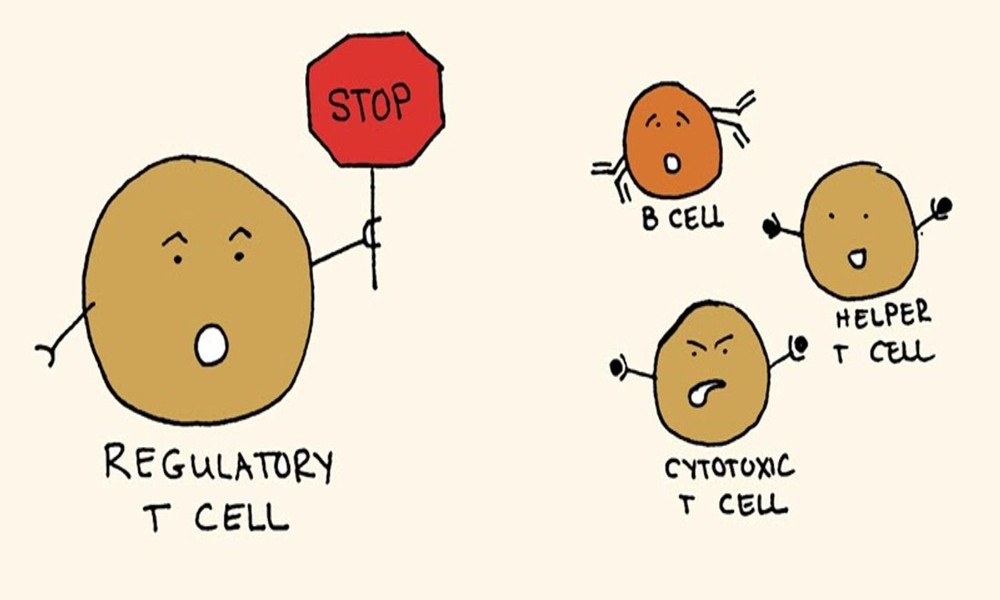
Organ transplantation saves many lives every year. Doctors replace failing organs with healthy ones from donors. This process brings great hope to patients and families. But the human body often fights the new organ. The immune system sees the graft as a foreign threat. It tries to destroy the new tissue immediately. This reaction is called organ rejection. Physicians must find ways to stop this natural response. Modern medicine offers several paths to achieve long-term success. One path involves special cells that manage immune responses.
The Role of Immune Harmony
The immune system acts like a fierce protective army. It identifies bacteria and viruses to keep you safe. Sometimes the army attacks the wrong target though. The body treats a donated kidney like a germ. Doctors usually use heavy drugs to stop this attack. These medicines often cause many difficult side effects. Patients might feel very tired or get sick easily. Restorative Health Solutions studies how to balance these complex reactions. Scientists want to teach the body to accept the graft. They look for natural ways to quiet the immune storm.
Understanding the Peacekeepers
Specific cells in the blood help maintain internal peace. These special guardians are known as regulatory t cells. Now researchers try to use them during transplantation. They want to increase the number of these protectors. This method could reduce the need for harsh chemicals. Restorative Health Solutions focuses on these cellular therapies for patients. Better balance leads to much better patient outcomes.
Challenges in Current Medicine
Current transplant patients face many lifelong hurdles. They must take pills every single day. Forgetting one dose can cause a major crisis. These drugs suppress the entire immune system at once. This makes people very vulnerable to common infections. A simple cold might become a serious problem. Sometimes the drugs even damage the new organ. This creates a very frustrating cycle for many people. We need a more precise tool for organ protection. Scientists work hard to find a smarter solution today. Precision medicine offers a bright path for the future.
The Future of Transplantation
The field of organ replacement is changing very fast. We are moving away from general immune suppression. Targeted therapy offers a much safer way forward. Patients can enjoy a higher quality of life soon. Their bodies will learn to live with new organs. This science will save countless lives in the future. We must continue to invest in these advanced studies. Success depends on our understanding of cellular behavior. Every discovery brings us closer to a perfect cure.
Conclusion
The journey toward better transplantation continues today. We understand the immune system better than ever before. Using natural cells provides a gentle and effective shield. This technology will transform how we treat chronic illness. We will overcome the many risks of organ rejection. Hope remains the strongest force in the medical world.











Comments