
 By
By 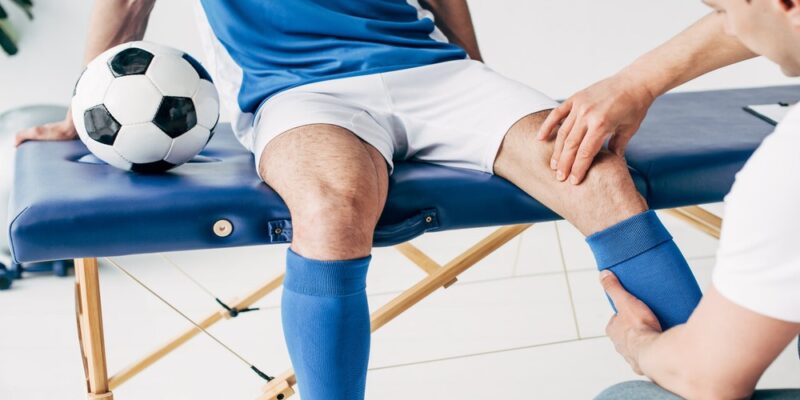
For people across the United Kingdom dealing with musculoskeletal issues, accessing expert care is a vital first step. Specialised clinics provide comprehensive programmes designed to address these specific concerns effectively.
This approach focuses on two core aims: immediate recovery and long-term performance optimisation. It employs evidence-based methods to create a solid foundation for progress.
Practitioners utilise advanced analysis techniques to evaluate how the body moves during activity. This process identifies underlying problems, enabling the development of targeted treatment strategies.
These programmes cater to individuals at every level of physical pursuit. They support everyone from elite competitors to recreational enthusiasts and those recovering from everyday strains.
Proper biomechanical analysis plays a critical role in this field. It helps to pinpoint issues that may contribute to future problems or hinder an individual’s capabilities.
A modern clinic combines cutting-edge technology with hands-on, expert care. This blend facilitates the delivery of highly personalised recovery plans.
A truly effective strategy is inherently multi-faceted. It must address tissue healing, strength restoration, movement quality, and robust prevention plans.
Key Takeaways
- Expert musculoskeletal care is accessible throughout the UK for activity-related issues.
- Programmes are designed to tackle both immediate recovery and long-term performance goals.
- Advanced analysis techniques evaluate biomechanics to find the root cause of problems.
- Services are inclusive, catering to professional athletes, weekend enthusiasts, and the general public.
- A holistic approach ensures recovery addresses healing, strength, movement quality, and prevention.
- Clinical expertise is enhanced by the latest technology for personalised planning.
- The focus extends beyond symptom relief to improving an individual’s overall movement quality.
Understanding Sports Injury Rehabilitation and Movement Assessment Services
Addressing the root causes of physical discomfort requires a tailored approach beyond general care. Specialised programmes focus on the unique biomechanics of athletic pursuits. They differ from standard physiotherapy by targeting the specific demands that lead to strain.
Comprehensive evaluation looks past immediate pain. It seeks to identify underlying factors that might cause recurring problems. This depth of analysis is key to developing long-term robustness.
“Finding the source of the issue, not just managing the symptom, is what creates lasting change for an individual,” notes a leading clinic practitioner.
These methods combine detailed motion study with practical, hands-on techniques. This synergy facilitates a complete return to activity from various types of physical setbacks.
Originally designed for competitors, this specialised approach now benefits anyone with musculoskeletal dysfunction. Advanced technology measures specific parameters that routine exams may miss.
The philosophy is inherently proactive. It concentrates on healing present damage while implementing strategies to avert future occurrences.
| Aspect | Specialised Programmes | Standard Physiotherapy |
|---|---|---|
| Primary Focus | Sport-specific mechanics & prevention | General symptom relief |
| Assessment Depth | Root cause analysis & movement patterning | Immediate symptom evaluation |
| Technology Use | Advanced biomechanical measurement tools | Basic diagnostic equipment |
| Treatment Approach | Integrated analysis with manual therapy | Protocol-driven exercises |
| Long-term Goal | Performance optimisation & resilience | Functional restoration |
Effective care addresses the entire spectrum. It guides a person from acute management through to full capability restoration and beyond.
Understanding the broader context of how a problem affects daily life is crucial. This holistic view ensures therapy is meaningful and sustainable.
Initial Assessment and Diagnostic Process
A thorough diagnostic process forms the cornerstone of any effective treatment plan. It starts when a patient arrives at the clinic dressed for activity.
They meet their physiotherapist in a private room. This initial session is dedicated to building a complete clinical picture.
History and Clinical Examination
Specialists begin with a detailed discussion. They explore how the pain began and its specific characteristics.
The history covers how conditions affect daily life and physical pursuits. This conversation also screens the individual’s full medical history.
This step is crucial for an accurate diagnosis. It identifies factors that may influence the approach to care.
Objective Tests and Movement Analysis
The physical examination follows the history taken. Practitioners look for visible signs like swelling.
They evaluate restrictions in limb movement. Specific orthopaedic tests help pinpoint the structures involved.
These tests provide vital data on the location and severity of injuries. State-of-the-art technology then measures power output across joints.
This identifies strength deficits. A biomechanical gait analysis examines how the body is used during activity.
It reveals patterns that may cause problems or hinder recovery. Posture and mechanics are checked to find underlying issues.
This comprehensive analysis leads to a precise diagnosis. It informs a targeted strategy to address the root cause of injuries.
| Assessment Phase | Primary Focus | Tools & Methods |
|---|---|---|
| Clinical History | Understanding onset, impact, and context of symptoms | Structured interview, medical screening |
| Physical Examination | Evaluating visible signs and functional limitations | Palpation, orthopaedic tests, range of motion measurement |
| Advanced Analysis | Quantifying deficits and identifying biomechanical faults | Isokinetic dynamometry, video gait analysis, postural assessment |
State-of-the-Art Treatment and Rehabilitation Techniques
Cutting-edge clinics employ a dual strategy of hands-on techniques and technology-driven analysis. This approach addresses immediate concerns while building long-term robustness.
It provides access to a complete recovery pathway. Each programme is tailored from the initial evaluation.
Hands-on Techniques and Exercise Regimens
Manual therapy forms a core component. Techniques like remedial massage target muscle tension to reduce discomfort.
Various taping methods offer support and manage swelling. Kinesiology tape or zinc oxide strapping can be applied.
Proprioceptive neuromuscular facilitation (PNF) improves joint mobility. These treatments are combined with guided exercises.
Supervised sessions in the gym ensure correct form. This builds a solid foundation for safe progression.
Utilising Advanced Technology in Assessment
Technology provides objective data on a patient’s progress. It allows practitioners to adjust therapy plans based on measurable gains.
This integration ensures treatments remain effective throughout the recovery journey. Subsequent sessions follow a structured format.
They typically include a brief reassessment, focused manual therapy, and prescribed conditioning work.
| Treatment Method | Primary Benefit | Common Application |
|---|---|---|
| Remedial Massage | Relieves muscle tension, reduces pain | Targeted soft tissue work |
| Kinesiology Taping | Supports area, manages swelling | Joint or muscle support |
| PNF Techniques | Enhances flexibility, range of motion | Improving joint mobility |
| Supervised Gym Exercises | Builds strength, restores function | Structured conditioning |
This table summarises key interventions used in modern treatment. Selection depends on the individual’s presentation and goals.
Tailored Treatment Plans for Individual Needs
Each person’s journey back to full activity is guided by a bespoke blueprint designed around their specific needs. This customised plan considers the nature of their injuries, personal circumstances, and ultimate goals.
Practitioners give clear advice on activities to pause or modify. This prevents aggravating the issue during recovery. Adjustments to current training schedules are discussed to ensure safety.
Personalised Home Exercise Programmes
A dedicated digital platform supports the patient between clinic visits. Prescribed exercises are delivered via email, granting easy access to a personalised library.
Individuals receive up to one year’s access to this resource. It allows them to reference their rehabilitation routine throughout their recovery and beyond.
These tailored exercises are for completion outside supervised sessions. This maintains momentum and enhances healing progression.
The individualised plan includes advice for a return to daily life. It covers work tasks, hobbies, and physical pursuits. The platform lets users track completion and view technique guides.
This approach ensures rehabilitation aligns with each patient’s unique healing timeline. It addresses their specific injuries and lifestyle requirements for optimal outcomes.
Enhancing Performance and Preventing Future Injuries
Focusing on long-term robustness transforms the recovery journey into an opportunity for significant improvement. Modern programmes aim for two connected goals: elevating physical capabilities and building resilience against future problems.
This proactive philosophy benefits everyone. It helps office workers avoid strain and supports competitors in their pursuit.
Proactive Rehabilitation and Prehabilitation Strategies
Prehabilitation strengthens vulnerable areas before issues arise. It involves targeted conditioning to improve how the body moves during daily tasks or athletic pursuits.
Identifying faulty patterns is crucial. Advanced gait analysis spots these habits, allowing for early correction.
Building strength in key muscle groups is fundamental. Improving joint range of motion also contributes to a more resilient system.
For athletes, the process is highly specific. Programmes include drills that mimic the exact demands of their sport.
This prepares them to return with confidence. The focus shifts from basic recovery to optimising performance.
Ultimately, this approach reduces the likelihood of subsequent injuries. It creates a foundation for sustained activity and achievement.
Specialist Support Across the United Kingdom
Geographical location no longer limits access to high-level care for physical strain and discomfort. A national network of specialist clinics ensures expert support is available from London to Edinburgh.
These facilities are staffed by experienced practitioners. They understand the unique demands placed on the body during rigorous activity.
Expert Guidance from The Physio Practice UK
The Physio Practice UK exemplifies this nationwide standard. Their clinics provide a comprehensive pathway from initial consultation to full recovery.
Patients receive tailored programmes addressing acute issues and chronic pain. The focus is on resolving symptoms and correcting underlying causes.
Various treatment options are available. Selection depends on the individual’s specific conditions and goals.
| Presenting Issue | Primary Treatment Focus | Typical Clinic Tools |
|---|---|---|
| Acute Soft Tissue Strain | Pain management, protection, early mobility | Manual therapy, taping, modified exercise |
| Chronic Joint Pain | Biomechanical correction, strength rebuilding | Gait analysis, targeted strengthening |
| Post-Operative Recovery | Restoring range, rebuilding functional capacity | Supervised gym programmes, mobility work |
Booking an initial assessment is straightforward. Individuals can contact their local clinic to schedule a session with a specialist.
This prompt access helps reduce recovery timelines. It allows for early intervention, which often improves long-term outcomes.
Whether managing a recent injury or seeking to optimise performance, these services provide a clear roadmap. Expert guidance helps navigate the journey back to full activity.
Integrating Expert Physiotherapy with a Holistic Approach
True recovery transcends simply treating a localised area of discomfort. Effective therapy considers the complete individual, not just an isolated symptom.
This comprehensive model examines how pain and movement issues influence multiple facets of daily life. It looks at work performance, recreational pursuits, and overall wellbeing.
Insights and Care from The Physio Practice
Holistic treatment approaches analyse relationships between different body regions. Problems in one area often create compensatory issues, affecting joints and patterns elsewhere.
Practitioners evaluate biomechanical gait patterns and postural habits. This identifies strategies that may contribute to recurring pain.
“The body functions as an interconnected system. Addressing only the local site often misses the true source of dysfunction,” explains a senior clinician.
Expert physiotherapy blends evidence-based treatments with individualised care. It respects each person’s unique circumstances and physical capabilities.
Assessments evaluate range of motion across multiple joints. This finds restrictions that limit quality or create compensatory patterns.
The approach addresses underlying biomechanical faults. This builds resilience against future problems for active people.
Integrated therapy recognises the linked nature of movement systems. It ensures treatment targets both local sites and broader dysfunction.
Care also considers psychological aspects of recovery. It supports confidence for a return to valued sports and activities.
Conclusion
Ultimately, the journey from discomfort to full capability is empowered by specialised, evidence-led care.
Comprehensive support manages pain and addresses underlying biomechanical problems. It helps individuals recover from injury, regain strength, and prevent subsequent injuries.
Skilled physiotherapists at a specialist clinic provide tailored treatments. They guide each patient through systematic rehabilitation, from initial recovery to peak performance.
This process enhances long-term resilience. It improves movement quality, supports joints, and increases range of motion to avert future problems.
Such services benefit everyone, from elite athletes to active people in daily life. They address current issues and strategise against recurring setbacks.
Booking an initial session offers easy access to expert care. During each session, physiotherapists develop personalised plans using various options.
Individuals achieve lasting relief and confidence. They return to their sport or daily tasks with robustness, free from persistent problems.










Comments