
 By
By 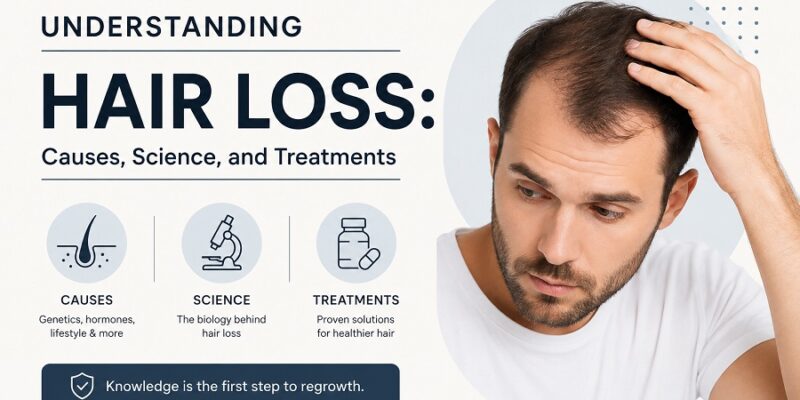
Hair loss can be a deeply personal and frustrating experience. While it is often viewed as a purely cosmetic issue, hair thinning and shedding are rooted in complex biological processes.
To effectively address hair loss, it is essential to first understand why it happens and then explore the clinically proven options available to stimulate regrowth.
Common Hair Loss Causes
Hair loss, medically known as alopecia, can happen for a wide variety of reasons. Hair growth operates in cycles (growth, resting, and shedding phases), and anything that disrupts this cycle can trigger hair thinning.
Here are the most frequent hair loss causes:
-
Genetics (Androgenetic Alopecia): This is the most common cause, more familiarly known as male-pattern or female-pattern baldness. It is hereditary and driven by a sensitivity to a hormone called dihydrotestosterone (DHT), which shrinks hair follicles over time.
-
Hormonal Fluctuations: Significant shifts in hormones can cause temporary or permanent hair loss. This is frequently seen after childbirth, during menopause, or as a result of thyroid imbalances and Polycystic Ovary Syndrome (PCOS).
-
Severe Stress (Telogen Effluvium): Major physical or emotional stress—such as surgery, a severe illness, or a traumatic life event—can shock hair follicles, forcing them prematurely into a resting phase. This typically results in noticeable shedding a few months after the stressful event.
-
Nutritional Deficiencies: Hair follicles require a steady supply of nutrients to produce healthy hair. Low levels of iron (anemia), vitamin D, zinc, and protein can severely impair hair growth.
-
Medical Conditions and Medications: Autoimmune diseases like alopecia areata cause the immune system to attack hair follicles. Additionally, certain medications used for high blood pressure, cancer, depression, and arthritis can list hair shedding as a side effect.
Finding the Right Hair Regrowth Treatment
The choice of a hair regrowth treatment depends heavily on the underlying cause of the thinning. What works perfectly for genetic hair loss may not be effective for stress-induced shedding.
The most reliable, evidence-based treatments generally fall into three categories:
1. Topical and Oral Medications
-
Minoxidil: Available over-the-counter as a foam or liquid solution, minoxidil is a vasodilating medication. It works by widening blood vessels, allowing more oxygen and nutrients to reach the hair follicles, which prolongs the growth phase.
-
Finasteride: This is a prescription oral medication primarily used for male-pattern hair loss. It works by blocking the enzyme that converts testosterone into DHT, effectively halting follicle shrinkage and encouraging regrowth.
2. Clinical and Advanced Therapies
-
Platelet-Rich Plasma (PRP) Therapy: This treatment involves drawing a patient’s own blood, processing it to concentrate the platelets, and injecting it back into the scalp. The growth factors in the plasma stimulate inactive hair follicles.
-
Low-Level Laser Therapy (LLLT): Devices like laser caps or combs emit safe, low-energy light that penetrates the scalp to boost cellular metabolism and improve local blood circulation.
3. Surgical Options
-
Hair Transplantation: For advanced or permanent hair loss, procedures like Follicular Unit Extraction (FUE) or Follicular Unit Transplantation (FUT) move healthy hair follicles from areas of dense growth (usually the back of the head) to thinning areas.
At-a-Glance: Treatment Profiles
| Treatment Type | Best Suited For | How It Works | Expected Timeline |
| Topical Minoxidil | Early-stage thinning (Men & Women) | Stimulates blood flow to follicles | 3 to 6 months |
| Oral Finasteride | Genetic male-pattern baldness | Blocks DHT hormone production | 4 to 6 months |
| PRP Therapy | Early to moderate thinning | Uses body’s own growth factors | 3 to 6 sessions |
| Hair Transplant | Advanced, localized hair loss | Relocates permanent hair follicles | 6 to 12 months |
A Note on Patience: Hair grows slowly, usually about half an inch per month. Regardless of the treatment you choose, consistency is key, and it typically takes several months of continuous use to see visible improvements.
Next Steps
If you are experiencing sudden, patchy, or excessive hair loss, the most effective first step is to consult a dermatologist or a trichologist (a hair and scalp specialist). They can help identify your specific hair loss causes through blood work or scalp examinations, ensuring you select a hair regrowth treatment targeted precisely to your needs.











Comments