

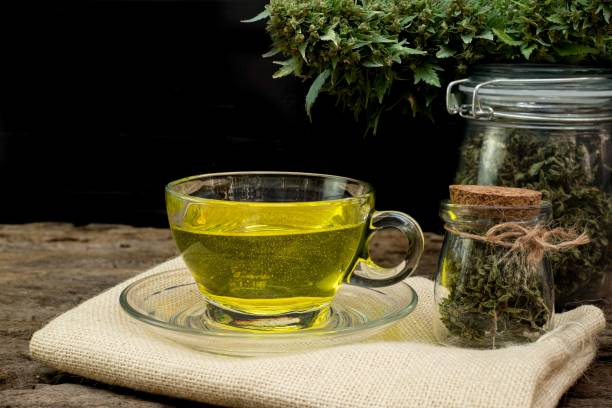
Throughout history, hallucinogenic mushrooms have been used by various cultures for spiritual, ceremonial, and healing practices. When brewed into tea, these mushrooms become part of a ritual that many believe provides clarity, self-discovery, and a deeper connection with the spiritual world. While recipes and traditions vary across regions, the preparation of mushroom tea continues to hold cultural and symbolic meaning. Exploring hallucinogenic mushroom tea recipes for a unique spiritual journey highlights both the historical reverence and the ways individuals approach this practice today.
Historical Roots of Mushroom Tea
The use of mushrooms with hallucinogenic properties dates back thousands of years. Indigenous groups across Central America, South America, and parts of Asia integrated mushrooms into their rituals as sacred tools for transformation.
Mushrooms in Ancient Ceremonies
In Mesoamerican cultures, mushrooms were referred to as “teonanácatl,” or “flesh of the gods.” Shamans and healers brewed mushroom tea as part of ceremonies that aimed to open pathways to higher consciousness and divine communication.
Spiritual Significance
The preparation and sharing of mushroom tea was not simply about consumption—it was regarded as a sacred act. Participants approached the experience with respect, often accompanied by chants, prayers, or rituals designed to guide the spiritual journey.
Why Brew Mushrooms into Tea?
There are practical and symbolic reasons why mushrooms are often consumed in tea rather than eaten raw.
Gentle on the Digestive System
Some find raw mushrooms difficult to digest due to their fibrous texture. Brewing them into tea can ease stomach discomfort while still delivering the intended effects.
A Ritualistic Process
Preparing mushroom tea is itself a meditative act. The process allows time for intention-setting, mindfulness, and creating a calm environment before embarking on a spiritual journey.
Common Approaches to Mushroom Tea Preparation
While there are many variations, certain themes are consistent in mushroom tea recipes.
Traditional Mushroom Tea Recipe
One of the simplest recipes involves simmering dried mushrooms in hot water for 15–20 minutes. After straining, the liquid is consumed as a warm, earthy beverage.
Enhancing Flavour Naturally
Since mushrooms have a distinct taste, many add natural ingredients such as ginger, honey, or lemon. These additions not only improve flavour but can also reduce nausea during the journey.
Modern Adaptations of Mushroom Tea Recipes
As interest in spiritual and wellness practices grows, modern variations of mushroom tea have emerged.
Blending with Herbal Teas
Some prefer to combine mushrooms with herbal teas such as chamomile, peppermint, or green tea. This creates a smoother taste and enhances the calming atmosphere of the ritual.
Infusing Spices for Warmth
Cinnamon, cardamom, or cloves may be included for warmth and comfort. These spices also carry symbolic value in many traditions, representing purification and balance.
Setting Intentions Before the Journey
Recipes are only one part of the experience—intention-setting plays a central role in how mushroom tea is integrated into spiritual practices.
Preparing the Mind and Environment
Participants often create a quiet, safe space free from distractions. Music, candles, or incense may be included to encourage a meditative state.
Guidance and Reflection
In many traditions, a guide or shaman supports the participant during the tea ceremony. Journaling or reflecting afterward helps integrate insights from the experience into everyday life.
Symbolism in Mushroom Tea Rituals
Beyond its physical preparation, mushroom tea holds symbolic weight in many cultures.
Transformation Through Brewing
The act of boiling mushrooms into tea mirrors the concept of transformation: raw material is changed into something new, just as the drinker undergoes a spiritual shift.
Connection to Nature
Mushroom tea also represents a bridge between humanity and the natural world. By consuming what nature provides, participants feel interconnected with the earth and its wisdom.
Safety and Cultural Respect
It is important to acknowledge both the cultural roots and modern considerations when discussing mushroom tea.
Responsible Awareness
Hallucinogenic mushrooms remain regulated or prohibited in many places. Anyone exploring their use should be aware of local laws, health risks, and ethical considerations.
Honouring Ancestral Traditions
Respecting the cultures that first developed mushroom tea practices is essential. These rituals are more than recipes—they are spiritual legacies that deserve recognition and reverence.
Conclusion
Hallucinogenic mushroom tea has long been valued as more than a beverage—it is a tool for self-discovery, healing, and spiritual growth. Whether through simple traditional recipes or modern adaptations infused with herbs and spices, preparing the tea is as much about ritual as it is about consumption. For those seeking a unique spiritual journey, mushroom tea represents a bridge between the physical and the sacred. Approached with respect, mindfulness, and cultural awareness, it continues to inspire seekers on their path toward deeper understanding.