
 By
By 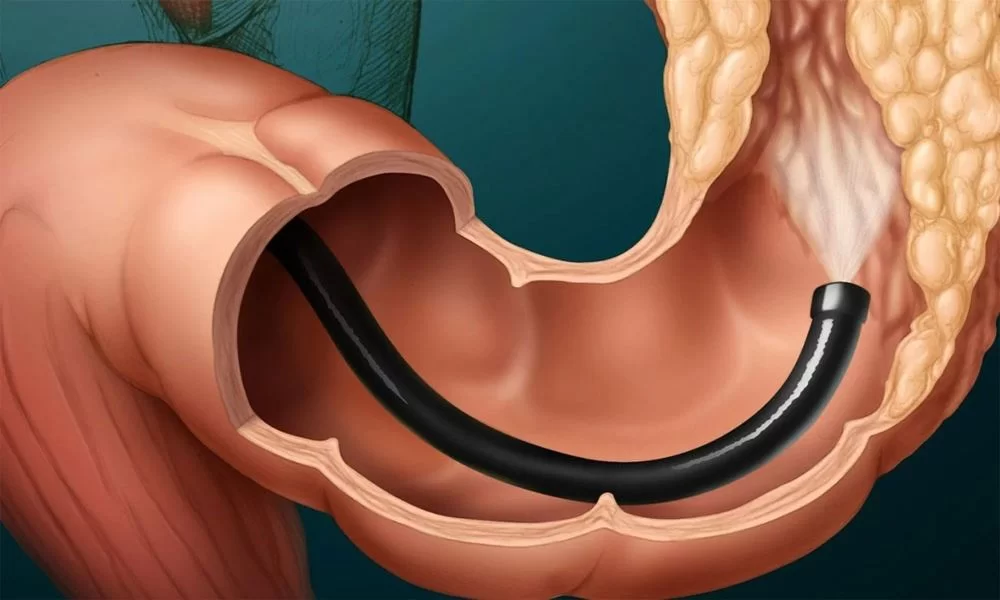
Most people do not wake up and decide to go for this test. It usually builds slowly. A few changes here and there, something that feels different but not serious enough to rush. And then at some point, colonoscopy comes up as an option when those small signs stop feeling random. Colonoscopy is also recommended as routine screening starting at age 45, or earlier for those with a family history or higher risk.
Early warning signals people often overlook
Some signs are easy to ignore because they do not interrupt daily life much.
A slight change in bowel habits. Occasional discomfort. Maybe something feels off, but not enough to worry immediately.
And people adjust. They wait, they watch, they hope it settles.
Sometimes it does. Sometimes it comes back.
How repeated discomfort can point to deeper issues
One time is easy to dismiss. But when the same thing keeps happening, it starts to feel different.
That pattern is what usually matters more than the intensity.
It does not have to be painful or extreme. Just consistent enough to make you pause and think something is not right.
That is where this test starts making sense.
When lifestyle factors play a role in decision making
Daily habits can also influence this decision more than people expect. Food choices, stress, irregular routines, all of it can affect digestion. So sometimes it becomes hard to tell whether the issue is temporary or something that needs checking.
What doctors usually look for before suggesting it
Doctors usually look for patterns over time. Not just one symptom. If something keeps returning or does not improve with simple changes, they may suggest this test. Age and family history also come into the picture sometimes.
So it is rarely based on one reason alone. It is usually a combination. When people look back at the whole experience, colonoscopy often feels less like a big step and more like something they wish they had not delayed for so long.
How preparation and recovery typically feel
Preparation takes a bit of effort. There are instructions to follow, and it can feel a little inconvenient.
That part is often more uncomfortable than the procedure itself.
After the test, most people recover quickly. Some feel normal within hours, others take a bit longer.
It varies.
What people learn after going through the process
The biggest change is clarity. Once the results are known, things start to make more sense.
It might be something simple. Or something that needs proper attention.
But at least the guessing stops.











Comments