
 By
By 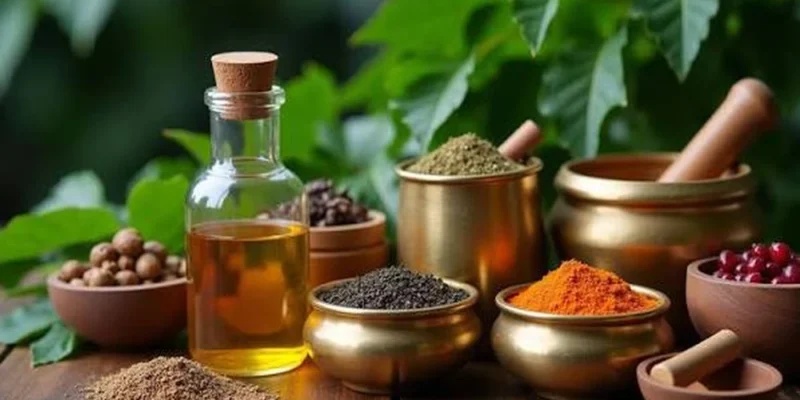
Search online for an ayurvedic treatment for diabetes and you will find everything from structured clinical programmes to miracle powders promising a cure in 30 days. For someone living with high blood sugar, telling the two apart is not easy. This guide is designed to help you make a sensible, safe choice: what a good programme looks like, what it should and should not promise, and how to judge whether it is working for you.
Start With Where You Are
Not everyone with high sugar is in the same situation, and the right approach depends on your stage:
- Prediabetes: Fasting sugar or HbA1c is above normal but below the diabetes range. This is the stage where diet, activity and weight loss make the biggest difference, and a lifestyle-focused programme can be especially valuable.
- Recently diagnosed type 2 diabetes: The pancreas often still produces a reasonable amount of insulin. Weight loss and diet change at this stage can significantly improve control, and in some people doctors are able to reduce medicines over time.
- Long-standing type 2 diabetes: Many people need several medicines or insulin. Ayurvedic care can still support diet, weight, energy and wellbeing, but expectations should be realistic.
- Type 1 diabetes: Insulin is life-saving and must never be stopped. Ayurveda may only play a minor supportive role in general wellbeing.
What a Good Programme Includes
A proper assessment
Expect a detailed history and baseline tests such as fasting and post-meal sugar, HbA1c, lipid profile, kidney function and, where relevant, liver function. Without a baseline, no one can show you whether the treatment helped.
A personalised diet plan
Generic advice like “avoid sugar” is not enough. A good plan considers your food habits, region, work schedule and family meals, emphasising millets, vegetables, pulses, controlled portions and regular timings.
Activity and routine
Daily walking, yoga and strength exercises improve how your body uses insulin. Ayurveda also stresses fixed sleep and meal times, and avoiding daytime naps.
Prescribed medicines and therapies
Herbs such as gudmar, vijaysar, methi, jamun seed and Nisha Amalaki are commonly used, sometimes alongside Panchakarma-based therapies. Any ayurvedic medicine for diabetes should come with a clear name, licence and dose, and should be reviewed against the medicines you already take.
Regular follow-up
Repeat sugar checks and HbA1c every few months show whether the plan is working. Ask for copies of every report and keep them in one folder, so you and any doctor you see can compare results over time and spot trends early.
Red Flags to Avoid
- Promises of a permanent cure or “100 percent reversal” for everyone
- Advice to stop insulin or tablets immediately
- Unlabelled powders or products without a manufacturing licence
- No blood tests before or during treatment
- Reluctance to share details with your diabetologist
Some herbal products sold informally have been found to contain undeclared steroids or heavy metals, which is why licensed sources matter.
Measuring Success Honestly
Feeling more energetic is a good sign, but it is not proof. Judge progress by numbers: HbA1c, fasting sugar, weight, waist size, blood pressure and lipids. If these improve over three to six months, the programme is helping. If your doctor reduces your medicine based on those results, that is real progress. If numbers worsen, it is time to rethink.
Integrated organisations such as Madhavbaug build their diabetes programmes around exactly this kind of measured follow-up, combining Ayurvedic care with clinical monitoring.
Questions to Ask Before You Sign Up
Before committing to any programme, a short conversation can save months of frustration:
- What tests will you do at the start, and how often will you repeat them?
- Which medicines or herbs will I take, and how might they interact with my current tablets or insulin?
- Is the diet plan adapted to my food habits, region and work schedule?
- How long is the programme, and what will it cost in total?
- Will you share my reports with my diabetologist?
Also ask how the programme supports you between visits, for example through diet check-ins or a helpline, because most of the work of diabetes care happens at home. If you are at an early stage, ask specifically about lifestyle support for prediabetes, where timely changes in diet, weight and activity make the biggest difference.
Staying Safe
Whenever you start new herbs or change your diet sharply, check sugar more often, because low sugar is a real risk when herbs add to tablets or insulin. Keep glucose tablets or sugar handy, and continue regular eye, kidney and foot check-ups.
The Bottom Line
The right programme is personalised, measurable and honest about its limits. It works with your doctor, respects your medicines and focuses on habits you can sustain for life. Choose carefully, track your numbers, and an ayurvedic treatment for diabetes can become a valuable part of your long-term care. Disclaimer: This article is for general information only and is not a substitute for medical advice. Please consult a qualified doctor before starting or changing any treatment.









Comments