
 By
By 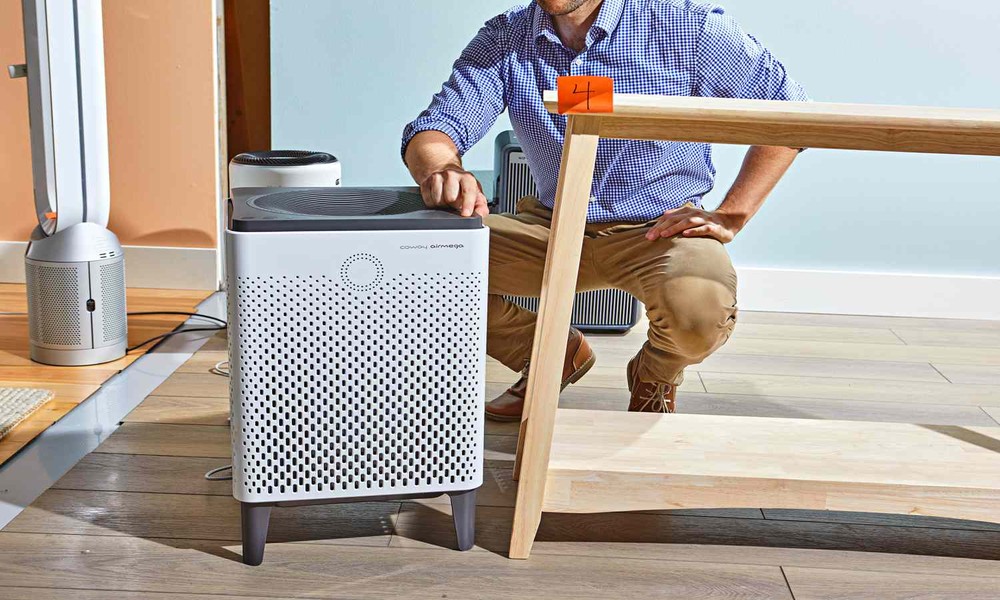
Air quality shapes daily comfort and health. Clean air feels light and fresh. Polluted air feels heavy and dull. Many homes face mold growth issues. Choosing the right purifier matters. Performance depends on more than marketing claims. Room size and CADR ratings guide real results. Many buyers overlook these key factors. This article explains what truly matters for buying the best air purifier for mold. It also clears common confusion about performance.
Room Size and Real Coverage
Room size sets the foundation for purifier performance. A small unit cannot clean large spaces well. The air stays polluted in corners and hidden spots. So matching purifier size to room area is essential. Many brands list maximum coverage clearly. Still, real performance depends on airflow strength and placement. A purifier placed near walls may lose efficiency. Open placement improves circulation and cleaning speed.
A larger unit often delivers better air cycles per hour. Faster cycles remove mold spores more effectively. The right match ensures consistent air cleaning across the entire room. This balance improves both comfort and safety at home.
Understanding CADR Ratings
Now many brands highlight high CADR numbers. Filter quality also affects final performance. A strong motor with weak filters gives poor results. Balanced design matters more than raw speed. AirDog focuses on combining airflow with filter strength. This approach supports stable performance in different conditions. Consistent airflow ensures that mold spores get captured steadily. CADR helps guide selection, but overall design matters equally.
Mold Removal and Filter Technology
Mold spores are small and persistent. They stay suspended in air for long periods. A good purifier must trap these particles reliably. HEPA filters are widely used for this purpose. These filters capture tiny airborne particles efficiently.
Sometimes, advanced technologies improve performance further. Electrostatic systems can attract particles using charged plates. This method reduces reliance on dense filters alone. AirDog uses such advanced filtration systems. This helps maintain airflow while trapping fine particles.
Placement and Maintenance Matters
Even the best purifier needs proper placement. Central locations improve airflow distribution across the room. Corners and blocked areas reduce efficiency significantly. So, placement affects real world results strongly. Maintenance plays an equally important role. Filters need regular cleaning or replacement. Dirty filters block airflow and reduce performance quickly. Scheduled care keeps the system running efficiently.
Sometimes, users ignore maintenance due to busy routines. But neglect leads to poor air quality again. Regular checks ensure consistent mold control. AirDog systems often simplify maintenance with washable components. This reduces long term effort and cost.
Conclusion
CADR ratings indicate cleaning speed and capacity. Filter technology defines how well particles get captured. Proper placement and maintenance sustain long term results. No single feature guarantees clean air alone. Balanced design ensures reliable performance in daily use. Thoughtful selection improves indoor air quality significantly. Cleaner air supports better breathing and comfort. Mold control becomes easier with the right approach.





Comments