
 By
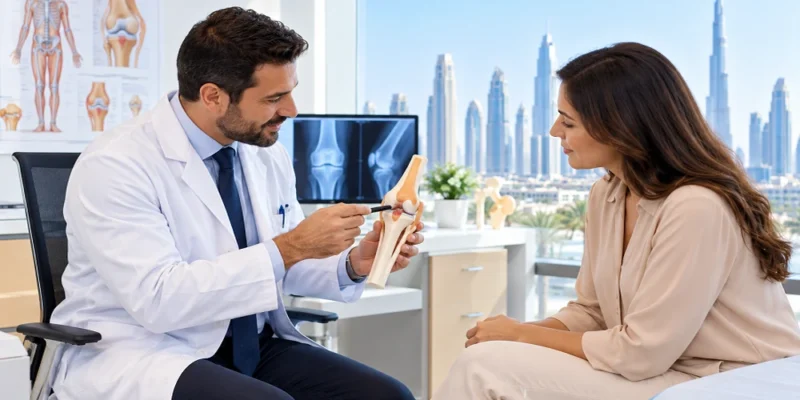
Accessing high-quality orthopaedic Dubai services is essential for individuals seeking relief from joint discomfort, sports injuries, or chronic bone conditions. Consulting a skilled orthopaedic surgeon allows patients to receive comprehensive diagnostic evaluations, advanced non-surgical therapies, and state-of-the-art surgical treatments designed to restore mobility and enhance overall quality of life.
Understanding Orthopaedic Care and Its Importance
The musculoskeletal system is a complex framework comprising bones, joints, ligaments, tendons, muscles, and nerves. When any component of this system suffers damage due to trauma, repetitive strain, aging, or underlying medical conditions, daily activities can become challenging and painful. Accessing specialized care within the realm of orthopaedic Dubai healthcare ensures that patients receive tailored evaluations to identify the exact source of their physical discomfort.
Orthopaedic specialists focus on preventing, diagnosing, treating, and rehabilitating a wide array of conditions affecting human movement. Whether an individual suffers from acute sports injuries such as ligament tears, degenerative joint diseases like osteoarthritis, complex bone fractures, or spinal disorders, early consultation with a medical professional is vital. Seeking timely medical attention helps prevent long-term joint degradation, reduces chronic inflammation, and supports a faster return to an active lifestyle.
The Initial Consultation with an Orthopaedic Surgeon
When visiting an experienced orthopaedic surgeon, the journey to recovery begins with a thorough clinical assessment. During the initial consultation, the physician evaluates the patient’s complete medical history, lifestyle factors, and specific symptoms. Understanding when the discomfort started, what activities exacerbate it, and how it impacts daily functioning provides critical context for building a precise treatment plan.
Following the discussion, a detailed physical examination is conducted. The specialist tests joint stability, range of motion, muscle strength, alignment, and neurological function around the affected area. To complement the physical evaluation, advanced diagnostic imaging is frequently utilized. High-resolution digital X-rays, magnetic resonance imaging (MRI) scans, computed tomography (CT) scans, and diagnostic ultrasound allow the physician to visualize internal structures, detect subtle soft-tissue injuries, and evaluate cartilage health accurately.
Exploring Non-Surgical and Conservative Treatment Options
Surgical intervention is rarely the first step in addressing musculoskeletal issues. Modern clinical practices heavily emphasize non-surgical, conservative treatment management whenever appropriate. Upon evaluating diagnostic findings, the practitioner works closely with the patient to determine whether conservative measures can resolve the issue effectively.
Common non-surgical modalities include targeted physical therapy, structured exercise regimens, activity modification, and lifestyle guidance. Physical therapy plays a central role in strengthening supporting musculature, improving joint flexibility, and correcting movement mechanics. Additionally, therapeutic injections-such as corticosteroid injections, hyaluronic acid viscosupplementation, or regenerative therapy options-may be administered directly into the joint space to alleviate pain and diminish swelling, enabling comfortable participation in physical rehabilitation.
When Is Surgical Intervention Recommended?
When conservative therapies do not yield sufficient pain relief or functional improvement, consulting a qualified orthopaedic surgeon regarding surgical alternatives becomes necessary. Modern surgical techniques have evolved significantly, offering patients minimally invasive options that minimize tissue trauma, lower infection risks, and accelerate recovery times.
Surgical procedures encompass a broad spectrum of subspecialties. Arthroscopic surgery utilizes tiny incisions and specialized camera technology to repair joint structures such as torn menisci, labral tears, or damaged ligaments. For patients with end-stage joint arthritis, total or partial joint replacement procedures restore smooth, pain-free joint movement using durable bio-compatible implants. Other common surgical interventions include complex fracture fixation, spinal decompression, tendon reconstructions, and corrective alignment surgeries.
Post-Operative Rehabilitation and Long-Term Recovery
Achieving optimal results after a surgical procedure relies heavily on a structured rehabilitation plan. The recovery process involves close collaboration between the surgical team, physical therapists, and the patient. Immediate post-operative management focuses on pain control, wound healing, and gentle mobilization to maintain blood circulation and prevent joint stiffness.
As healing progresses, structured physical therapy sessions guide the patient through targeted exercises designed to rebuild muscular strength, restore natural joint mechanics, and recover balance. Adhering strictly to post-operative guidelines, attending scheduled follow-up visits, and maintaining recommended activity modifications ensure a smooth transition back to daily responsibilities, recreational hobbies, and athletic pursuits.
Conclusion
Navigating bone and joint health requires professional medical guidance tailored to individual needs. By seeking comprehensive orthopaedic Dubai healthcare options, individuals experiencing musculoskeletal issues can access accurate diagnostics and effective treatment protocols. Partnering with an experienced orthopaedic surgeon ensures that every patient receives personalized care-from initial assessment and conservative therapies through to advanced surgery and complete rehabilitation-enabling a confident return to pain-free mobility.










Comments