
 By
By 
An unexpected bout of diarrhea can be more than just an inconvenience; it can disrupt your work, travel, and daily well-being. Whether caused by a mild stomach bug, dietary indiscretion, or stress, the primary goal is always the same: finding a way to regain control. Understanding how to stop diarrhea involves a two-pronged approach that combines supportive home care with the strategic use of diarrhea medicine.
By following a structured recovery plan, you can minimize discomfort, prevent complications like dehydration, and return to your normal routine faster.
Step 1: Immediate Action and Hydration
The moment symptoms begin, the body starts losing fluids and essential minerals (electrolytes) at an accelerated rate. The most critical first step in how to stop diarrhea is not actually stopping the flow, but replacing what is being lost.
The Importance of Oral Rehydration
Water alone is often not enough during a severe episode because the body also loses sodium, potassium, and chloride.
-
Oral Rehydration Solutions (ORS): These are the gold standard for home care. They contain a specific ratio of salt and sugar that helps the intestines absorb water more efficiently.
-
Clear Broths and Electrolyte Drinks: If an ORS is not available, clear soups or diluted fruit juices can provide some minerals, though they should not be the sole source of hydration in severe cases.
-
Avoid certain liquids: Steer clear of caffeinated coffee, strong tea, and sugary sodas, as these can stimulate the gut and potentially worsen fluid loss.
Step 2: Choosing the Right Diarrhea Medicine
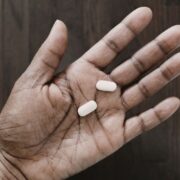
While hydration addresses the side effects of the condition, diarrhea medicine addresses the symptoms themselves. Many people wait for the “illness to run its course,” but modern medicine provides safe ways to interrupt the cycle of frequent, watery stools.
How Anti-Diarrheal Agents Work
The most common over-the-counter diarrhea medicine typically contains the active ingredient loperamide. Understanding its mechanism is key to using it effectively:
-
Slowing the Rhythm: In a state of diarrhea, the muscles in the intestine are overactive, pushing contents through too quickly. Loperamide works by slowing down this intestinal movement (motility).
-
Increasing Absorption: By slowing the transit time, the medicine gives the colon more time to perform its most important job: reabsorbing water and electrolytes back into the bloodstream.
-
Restoring Consistency: As more water is absorbed, the stool naturally becomes firmer and less frequent, providing rapid symptom relief.
When to Take Medicine
It is generally appropriate to use diarrhea medicine if you are experiencing acute, non-specific diarrhea and need to manage the urgency and frequency. It is particularly useful for:
-
Managing symptoms during work or essential tasks.
-
Preventing dehydration during travel.
-
Reducing the physical exhaustion associated with frequent bathroom trips.
Step 3: Managing Your Diet (The BRAT Method and Beyond)
Once you have initiated hydration and considered diarrhea medicine, your focus should shift to what you eat. The goal is to provide nutrients without overworking an already sensitive digestive system.
Phase 1: The “Bland” Approach
Traditionally, many healthcare providers recommended the BRAT diet (Bananas, Rice, Applesauce, Toast). While this is no longer recommended as a long-term solution because it lacks protein and fat, it remains a helpful guide for the first 24 hours of recovery.
-
Bananas: Rich in potassium, which helps replace lost electrolytes.
-
White Rice: Low in fibre and easy for the gut to process.
-
Applesauce: Contains pectin, a soluble fibre that can help thicken stool.
-
Plain Toast: Provides simple carbohydrates for energy without irritation.
Phase 2: Gradual Reintroduction
As the diarrhea medicine takes effect and your bowel movements stabilize, you can begin adding lean proteins like boiled chicken or steamed fish. Avoid dairy, high-fat foods, and spicy seasonings for at least 48 to 72 hours after the last loose stool, as the gut lining remains sensitive during the healing phase.
Step 4: Preventing Secondary Spread
If the cause of your diarrhea is viral or bacterial, you are likely contagious during the symptomatic phase. Knowing how to stop diarrhea also means knowing how to stop it from reaching others in your household.
-
Hand Hygiene: Wash hands with soap and water for at least 20 seconds after every bathroom visit and before handling any food.
-
Sanitize Surfaces: Focus on “high-touch” areas like doorknobs, toilet handles, and faucets using a disinfectant.
-
Separate Towels: Ensure the affected individual has their own hand towel to prevent cross-contamination.
Home Care vs. Medical Intervention
While most cases of diarrhea can be managed at home with rest and diarrhea medicine, it is vital to recognize the “red flags” that require a visit to a doctor.
|
Feature |
Home Management (Safe) |
Seek Medical Advice (Urgent) |
|
Duration |
24–48 hours |
Lasts longer than 2 days |
|
Fever |
None or very mild |
High fever |
|
Stool Quality |
Watery, loose |
Blood, pus, or black/tarry stools |
|
Hydration |
Able to keep fluids down |
Persistent vomiting, unable to hydrate |
|
Pain |
Mild cramping |
Severe abdominal or rectal pain |
A Note on Antibiotics
It is a common misconception that antibiotics are the best way how to stop diarrhea. In reality, many cases are caused by viruses, which do not respond to antibiotics. Furthermore, unnecessary antibiotics can disrupt the “good” bacteria in your gut, potentially leading to further digestive issues. Unless a stool test confirms a specific bacterial or parasitic infection, symptomatic relief with standard diarrhea medicine is often the preferred clinical route.
Conclusion: The Path to Recovery
Successfully managing a digestive upset requires a balance of patience and proactive care. By prioritizing oral rehydration, utilizing effective diarrhea medicine to control the frequency of movements, and sticking to a gentle, bland diet, you can significantly reduce the duration of the episode.
Remember that your body is resilient, but it needs the right tools—both in the form of nutrients and appropriate medication—to restore its natural balance.




Comments