
 By
By 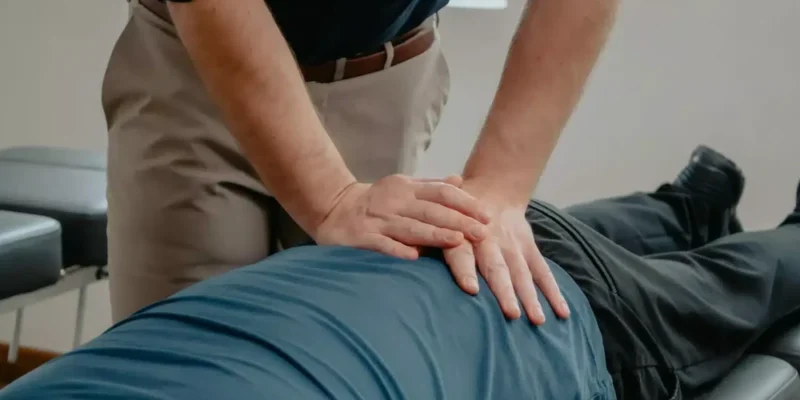
Uncertainty about what actually happens during a first chiropractic visit keeps a fair number of people from booking one at all, even when they suspect it could help with a nagging shoulder or a lower back that has stopped fully relaxing. The process is considerably more conversational and methodical than the popping-and-cracking image many people carry in their heads, and walking through it step by step tends to remove most of the hesitation that comes from simply not knowing what to anticipate.
Starting With a Conversation
Every consultation begins with a discussion rather than immediate hands-on work, covering how long the current issue has been present, what seems to make it better or worse, and any relevant medical history, previous injuries, or existing conditions that might shape the approach. This part of the visit matters more than it might seem, since two people with a similar complaint of neck stiffness can have entirely different underlying causes, one from a car accident years earlier and another from a new desk setup at work, and the treatment plan needs to reflect that difference rather than applying the same protocol regardless of history.
Moving Into Physical Assessment
Once the conversation has established the background, the practitioner moves into a hands-on evaluation, checking range of motion in the relevant joints, observing posture and movement patterns, and palpating along the spine and surrounding muscles to identify areas of restriction, tenderness, or asymmetry. This portion of the visit often involves simple movements like bending forward, rotating the torso, or raising an arm overhead, giving the practitioner direct information about which specific segments or muscles are contributing to the presenting complaint rather than relying purely on where the patient reports feeling discomfort.
Explaining What the Assessment Found
Before any treatment begins, most practitioners walk through what the assessment revealed in plain terms, pointing out, for example, that a particular vertebra shows restricted rotation or that a specific muscle group is unusually tight compared to its counterpart on the other side of the body. This explanation stage gives patients a chance to ask questions and understand the reasoning behind whatever treatment approach follows, rather than experiencing hands-on care as something happening to them without context, which tends to make the following steps feel considerably less unfamiliar.
The Treatment Itself
Depending on what the assessment found, the actual treatment for a first visit might include a gentle chiropractic adjustment to address a specific joint restriction, targeted soft tissue work on a particularly tight muscle group, or sometimes a combination of both if the presentation calls for it. Central Singapore’s dense professional population means a large share of first-time patients present with fairly similar patterns, tension through the neck and upper back from screen-heavy desk work, or a lower back that has stiffened from long hours of sitting, though the specific details of each case still shape exactly what gets addressed and in what order during that first session.
Discussing a Path Forward
Toward the end of a consultation, the practitioner typically outlines a realistic sense of what ongoing care might look like, including how many visits are likely to be useful and roughly how often, based on what the assessment revealed about the underlying pattern rather than a generic recommendation applied to everyone. This is also the point where practical guidance for home, such as specific stretches or adjustments to a workstation, tends to come up, giving the patient something concrete to work with between visits rather than treatment that depends entirely on in-clinic sessions to produce change. A first consultation structured this way gives patients a clear sense of what happens next rather than leaving them to guess whether a single visit was meant to resolve everything.
Questions Worth Raising During the Visit
Patients sometimes hold back questions during a first consultation out of a sense that they should simply follow along, but the visit tends to be far more useful when treated as a two-way conversation rather than a one-directional process. Asking directly what a particular sensation during assessment means, why a certain movement was tested, or how a proposed treatment plan compares to just waiting to see if symptoms resolve on their own are all reasonable things to raise, and a practitioner comfortable explaining their reasoning in plain language is generally a good sign of a consultation done well. It is equally reasonable to ask about the evidence or logic behind a specific technique before agreeing to it, particularly for anyone new to chiropractic care who wants to understand what is being proposed and why, rather than simply trusting the process without any real sense of what to expect from it. A practitioner who welcomes this kind of question, rather than treating it as an interruption, tends to build the sort of working relationship that makes ongoing care easier to commit to over subsequent visits.
Leaving the First Visit
Most people leave an initial consultation with a mix of relief at finally understanding what has been causing their discomfort and a realistic sense of what the coming weeks might involve, rather than an immediate resolution of every symptom in a single sitting. Some notice an immediate loosening or reduction in discomfort right after the session, while others feel the effects unfold more gradually over the following day or two as the tissue and joints settle into their newly restored range of motion, and either response tends to fall within the normal range for how bodies react to this kind of care.








Comments