
 By
By 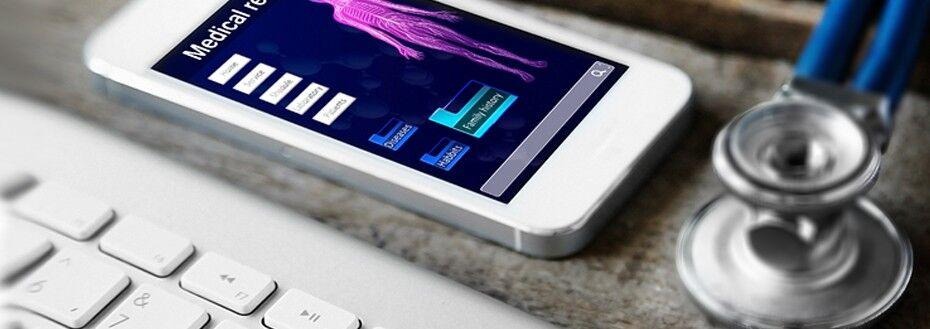
The special and varied requirements of family medicine clinics are catered to by EMR software. They possess the necessary resources to enable healthcare professionals at every stage of a treatment.
Patients of all ages, from young toddlers to the elderly, can benefit from the family medicine EHR system solution. To improve diagnosis based on inherited illnesses and provide holistic therapy. Robust history monitoring systems are available.
The electronic health record software is user-friendly and simple for staff members and doctors to utilize. Current applications additionally come reasonably priced to accommodate independent and smaller family offices.
Role
In family medicine, EMR software is essential. To provide an accurate diagnosis, physicians must monitor patients of all ages and review historical data.
It might be challenging to provide care for the whole family, which includes preventive and continuity of care. But family practice EMR software has grown to be a vital tool for managing such extensive and continuous care.
- Monitoring Every Patient’s Situation
Every person they encounter has an abundance of health information to manage—their whole medical history, in fact. A system turns into a computerized central repository for all pertinent historical information. Such as medical history, allergies, and prescriptions.
This implies that physicians can provide clients with consistent, knowledgeable treatment. As they develop and evolve throughout the course of their lives.
- Facilitating Preventive Care
This is a top priority for practitioners. The EMR system has reminder tools. These notify patients and physicians of impending visits, screenings, and immunizations. Communities can maintain their well-being as a result of not missing important follow-up appointments.
- Making the Daily Grind Easier
Every day, clinics or hospitals deal with a large number of individuals. The daily responsibilities of taking notes, making appointments, paying, and electronically mailing medications. These are all made easier with the use of electronic health records software.
This is an excellent method of automating administrative tasks. So that healthcare professionals may fully concentrate on their patients.
- Maintaining Consistency Among All
Physicians must collaborate closely with hospitals and other specialists. By facilitating information sharing through interoperability options. The systems facilitate more seamless cooperation.
Gaps can be reduced, and opportunities to give comprehensive care can be created. This is through the smooth data transfer and communication between various systems.
Benefits for Medical Practices
- Minimizes Employee Errors
Important data is kept in one place when a healthcare company adopts EMR software – read https://www.healthit.gov/buzz-blog/electronic-health-and-medical-records/emr-vs-ehr-difference# for more info. Thus, making it readily available to anybody who needs it.
This lessens the possibility that employees may make mistakes like redoing examinations or forgetting crucial material. In the end, fewer staff mistakes lead to improved outcomes and higher client satisfaction.
- Conserves Clinic Space
It takes a lot of room and labor to save data on paper. EMR software, on the other hand, solves this issue and frees up important clinic space. This implies that greater space is available for consultations and tests.

- Can Enhance Diagnosis and Treatment
This facilitates communication between healthcare providers and their patients. Doctors may view crucial information. Like medication interactions, previous operations, and family medical histories. This is true when they have access to
histories.
To make judgments about diagnosis and therapy. They also have a grasp on medical research as well as trial findings. This speeds up issue diagnosis and improves the accuracy of therapy.
- Lowers Total Expenses
This lowers total expenses for both the patient and the practitioner. It’s by increasing efficiency, decreasing paperwork, and minimizing expensive errors.
The application’s many features make it unnecessary to hire more employees. Since they manage all the paperwork associated with invoicing, insurance claims, and medical data.
The economical nature may soon offset the initial deployment costs since it saves time.
- Simple to Communicate
In the healthcare industry, patient empowerment has grown in importance. Those who are well-informed and motivated to participate in their own recovery have greater results.
Computerized systems facilitate the sharing of information with clients. Thus, enabling them to check test results or learn about and comprehend their diagnoses.
They also obtain doctors’ orders and medication instructions and receive appointment reminders. Additionally, you may interact with clinicians, make appointments, and undergo lab tests – click this for preparation ideas. Whenever it’s convenient for you, and inquire about payment.
- Make an appointment for a demo.
They provide cloud-based systems that effectively run your clinic. While guaranteeing the privacy and security of your clients’ information. With capabilities like these, our all-in-one solution empowers clinics and is easy to use.
- Scheduling: You can make scheduled visits and get automatic reminders.
- Charting: Use cutting-edge, time-saving capabilities to track progress, keep an eye on compliance, and handle payments.
- Billing: With a few clicks, create statements, invoices, and receipts.
- Analytics: You may make data-driven choices to keep your practice on track by using customizable KPI reports.
- Marketing: To develop and expand your clinic, built-in features generate customized campaigns.
- Security: Data is shielded from unwanted access by sophisticated encryption techniques.










Comments